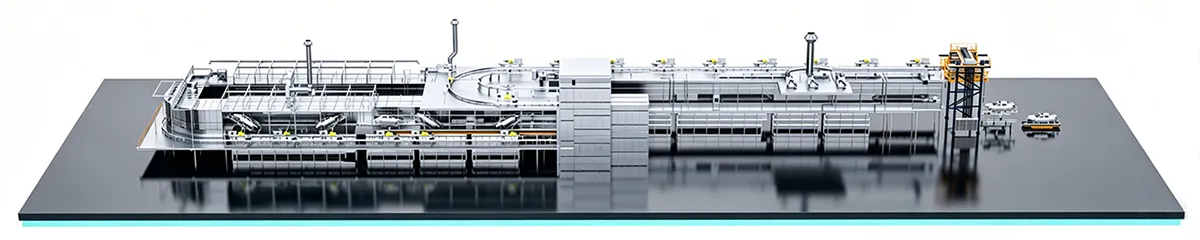
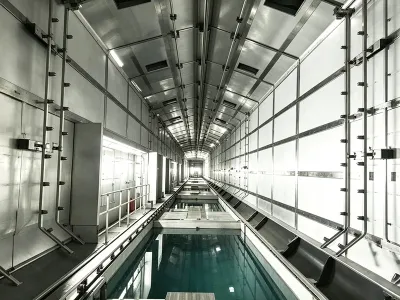
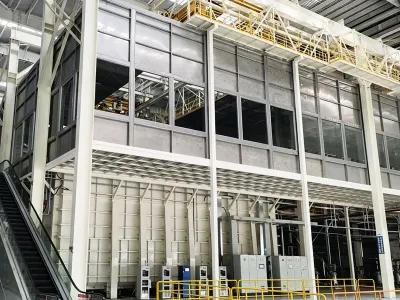
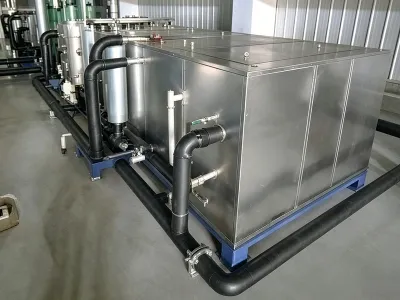
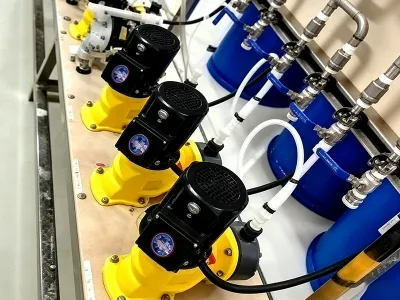
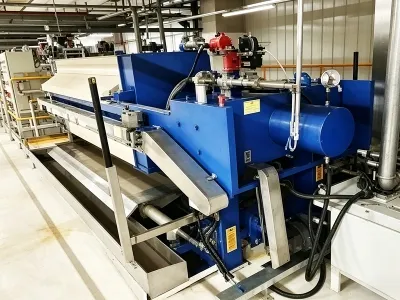
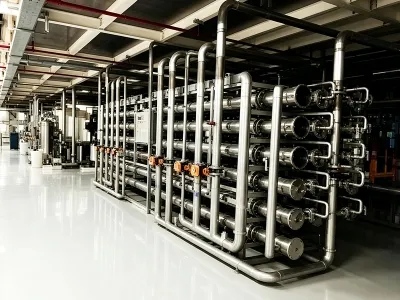
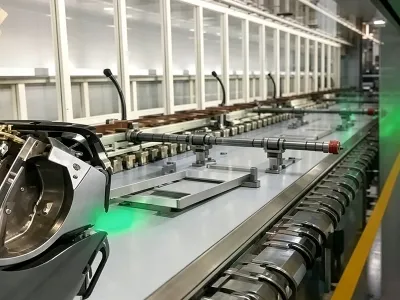
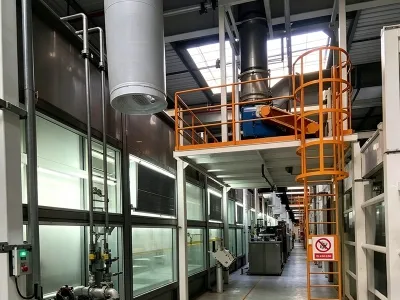
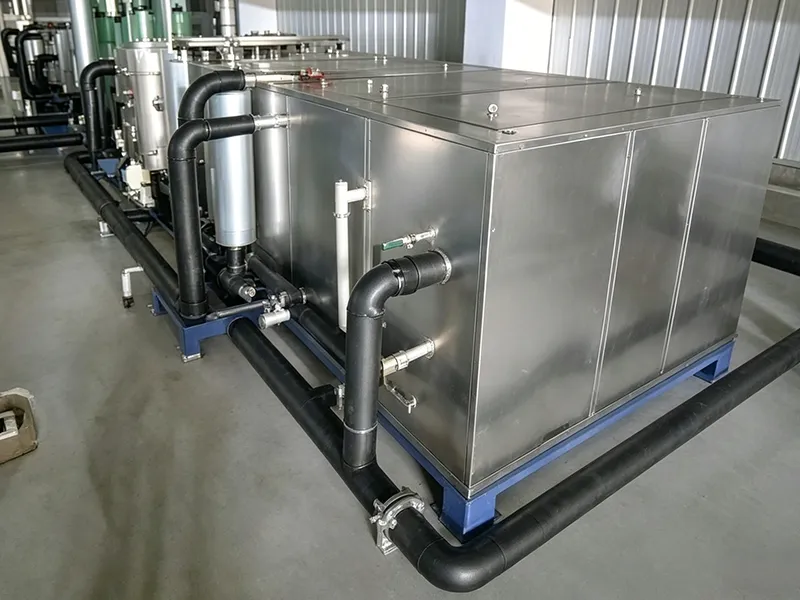
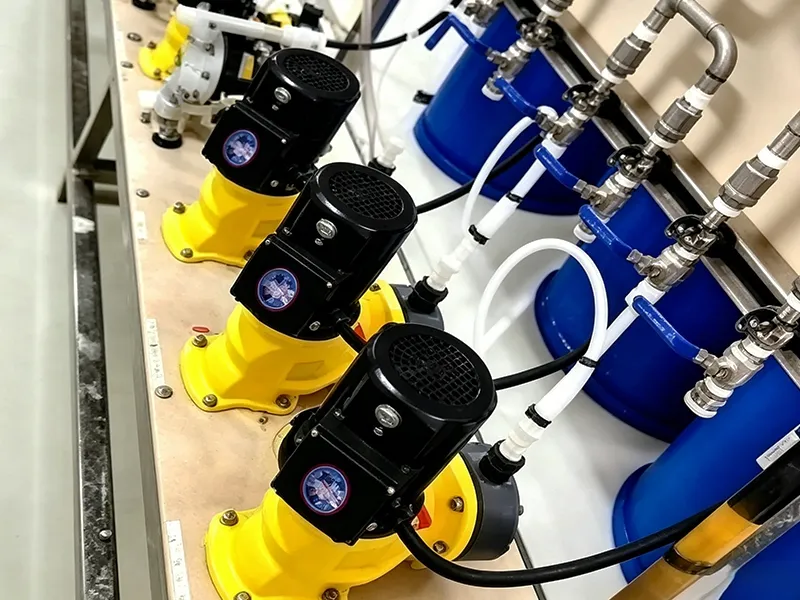
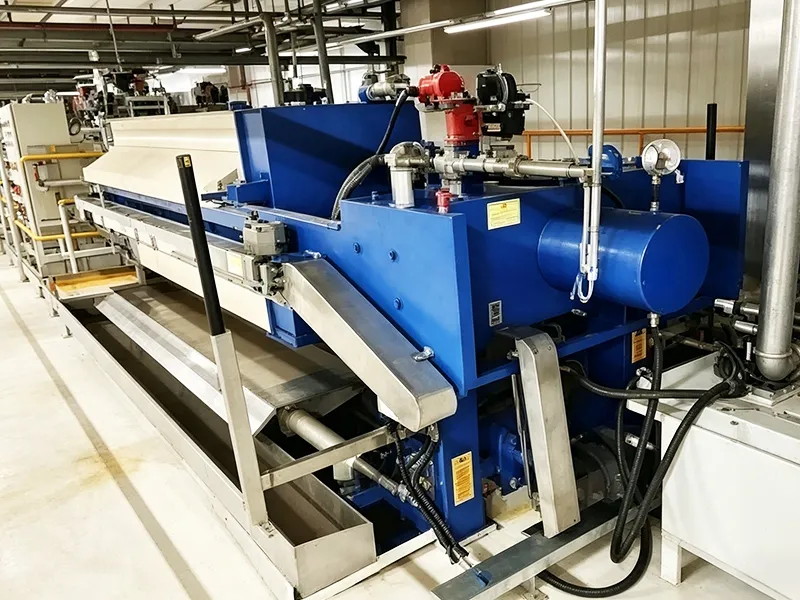
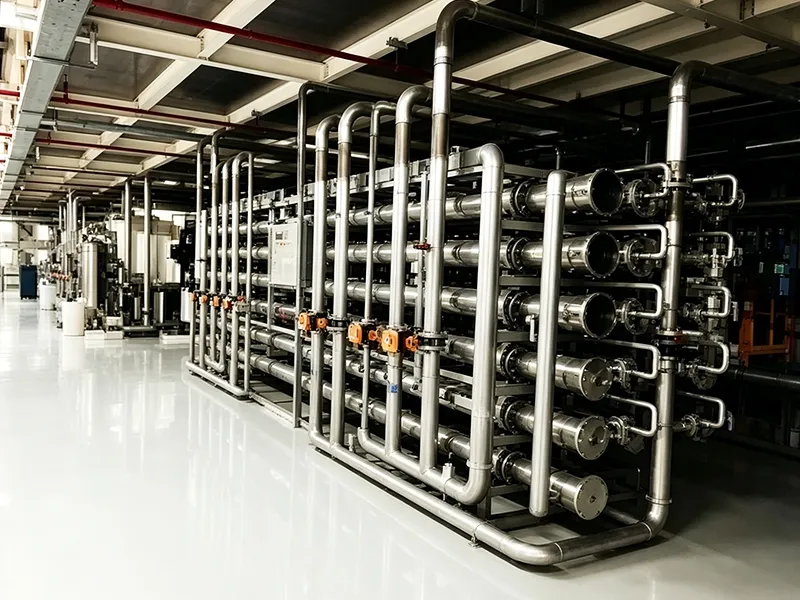
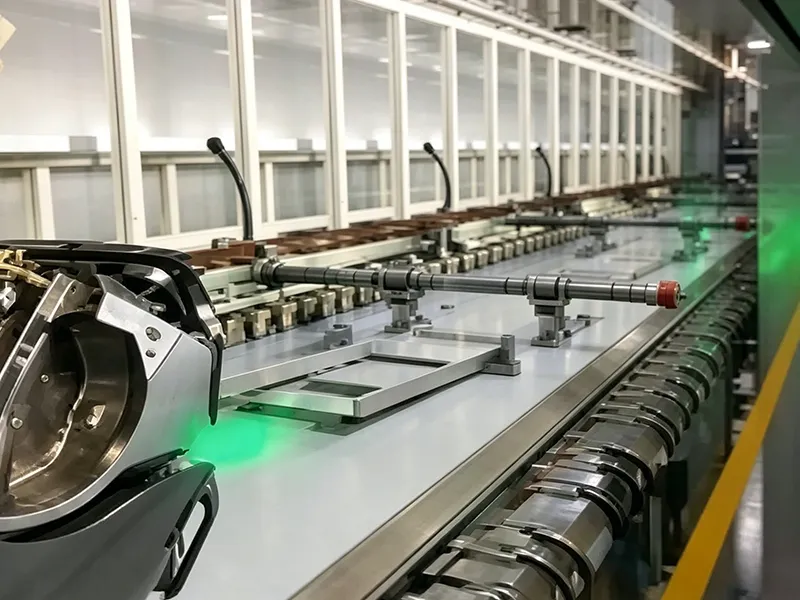
Our pre-treatment and electrocoating line (E-coat line) conducts surface treatments to the body-in-white (BIW), including degreasing, phosphating/silanizing, and electrocoating, to form a uniform and dense anti-corrosion layer. Comprising two main systems of pre-treatment and cathodic E-coating, the line utilizes a combined spray and dip process, supported by integrated systems for temperature control, filtration, ultrafiltration, pure water supply, and automatic chemical dosing, ensuring process stability. The entire pre-treatment and electrocoating system features a fully enclosed design for centralized treatment of waste gas and liquid, meeting stringent environmental standards.
Working Principle
Phosphating Pre-treatment Process
Pretreatment prepares the metal: degreasing saponifies and emulsifies oils, multi-stage rinsing eliminates chemical residues, surface conditioning enhances the surface, and phosphating develops a fine, uniform crystalline layer that improves paint adhesion and corrosion resistance.
Green Pre-treatment Process (Silane-based)
Serving as a foundation for electrocoating, the green pre-treatment process features core stages include degreasing, multi-stage rinsing, pure water rinsing, and silane film formation. This process effectively removes oil and impurities from metal substrates, generating a uniform and dense silane conversion coating. Compared to traditional phosphating, it offers significant advantages: residue-free operation, no need for pickling, environmental friendliness, a thin and uniform film, and broad applicability to various sheet metals. This greatly improves the adhesion of subsequent electrocoating layers and the substrate's corrosion resistance.
Electrocoating Process (Cathodic E-coating)
Our electrocoating process utilizes cathodic E-coating. The coating formation during this process involves four key chemical and physical mechanisms: electrophoresis, electrodeposition, electrolysis, and electroosmosis.
Electrophoresis: Positively charged paint particles migrate towards the cathode (the workpiece).
Electrodeposition: Forms a uniform wet film with inherent self-limiting properties as charged particles deposit onto the surface.
Electrolysis: Creates an alkaline environment on the workpiece surface.
Electroosmosis: Causes dehydration of the coating, making it dense, which enhances hardness and adhesion.
System Components
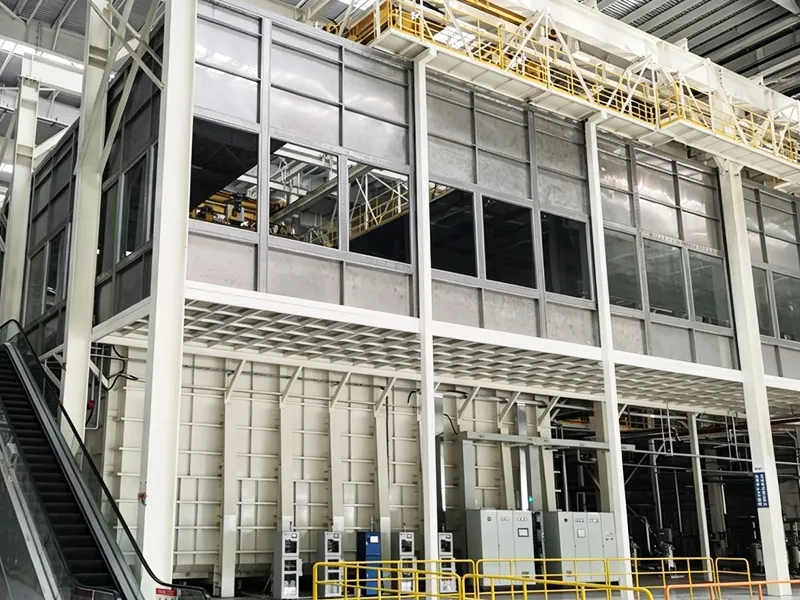
Chamber Body
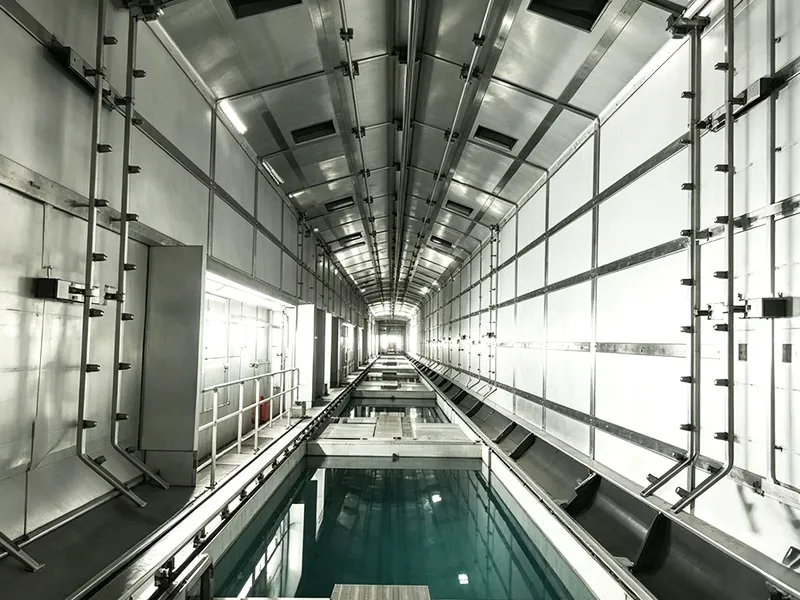
Process Tanks
Iron-chip Removal System
Oil-skimming Device
Dosing System
Filter Press
Pure-water (RO/DI) Unit
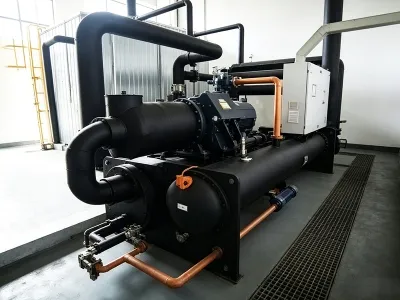
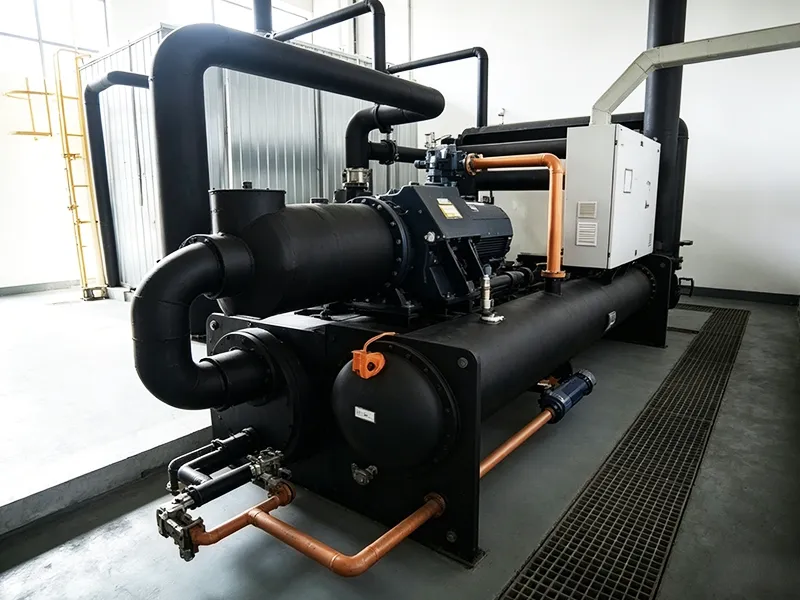
Chiller Unit
Anode Assembly
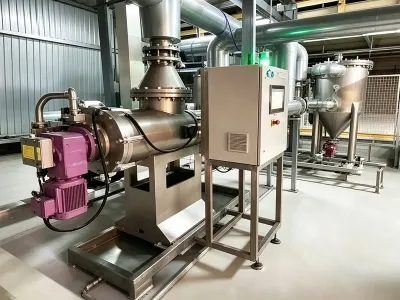
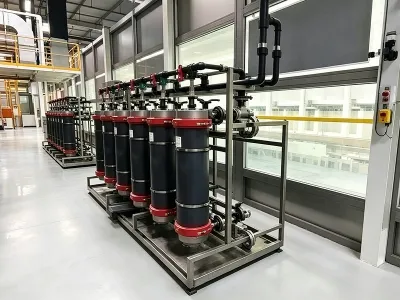
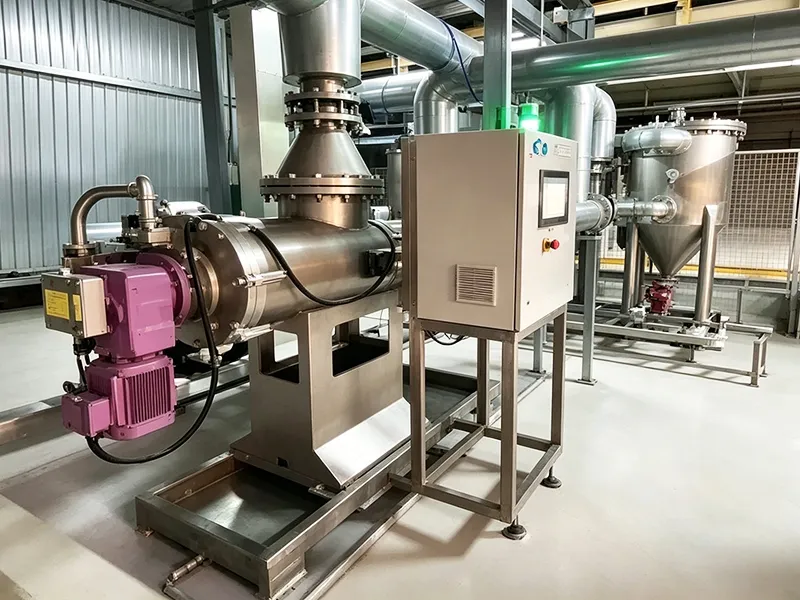
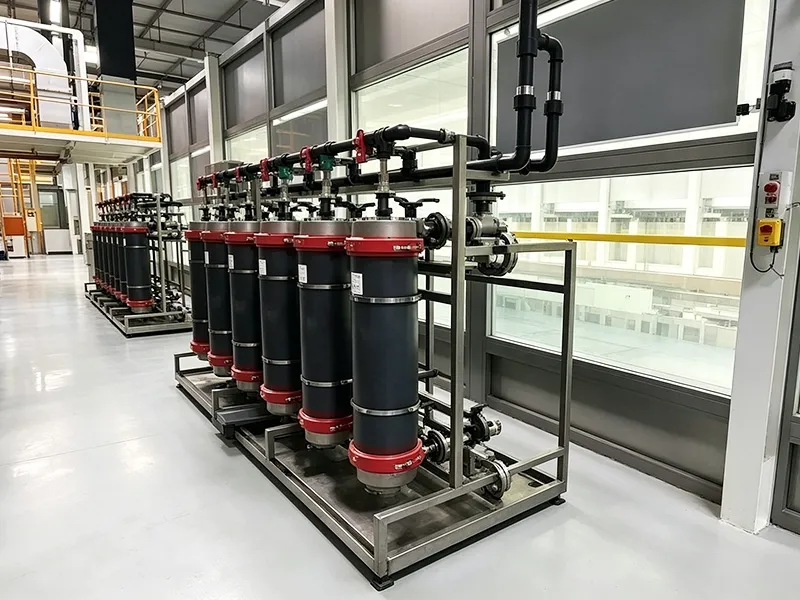
Ultrafiltration Unit
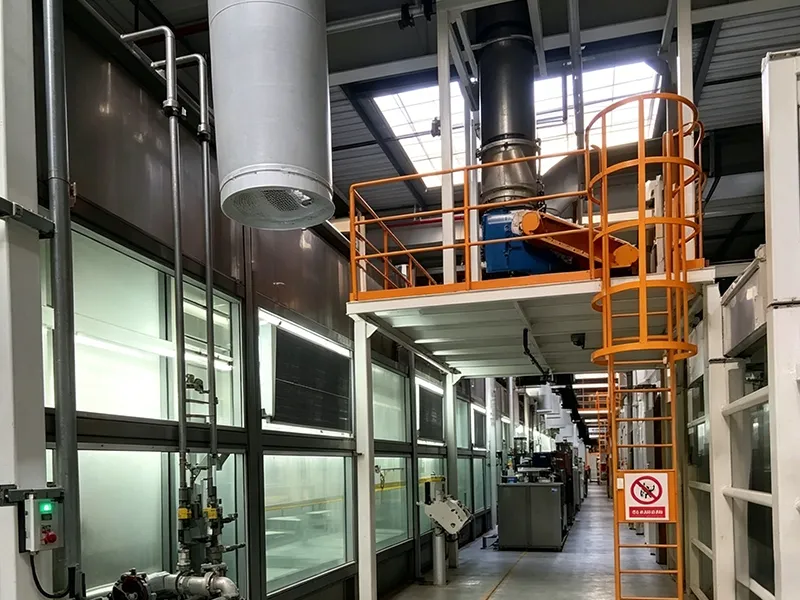
Supply and Exhaust Air System
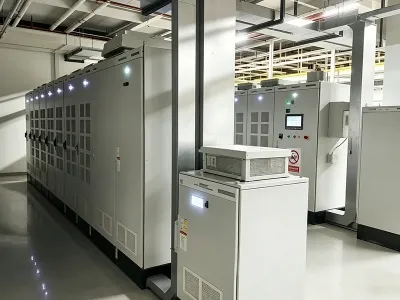
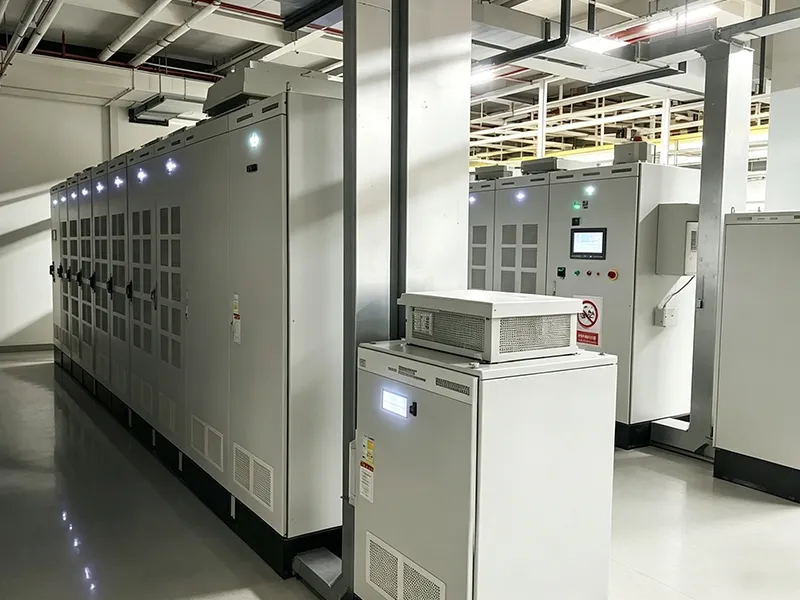
Rectified Power Supply
Changhong Intelligence's core business covers automated automotive painting equipment, intelligent welding systems, conveying systems, and general assembly lines. In the body shop area, we design and manufacture robotic welding lines, main body welding lines, and sub-assembly welding lines. In the paint shop area, we provide complete project planning and construction, including PT & ED equipment, spray booths, ovens, and conveying systems. In the general assembly area, we deliver automated assembly lines that build complete vehicles according to defined assembly specifications and sequences. Our technical services span the entire project lifecycle - from process planning, equipment design, and manufacturing to on-site installation, automation commissioning, and long-term after-sales support.